
Reading time:4 min reads



Almost all speaker agreements are personal service contracts. This means that if your name is on it, you are expected to personally perform the agreement.
That might seem a bit confusing, so in simpler terms: if you hire Taylor Swift to come and sing at your daughter’s 21st birthday party, she cannot send one of her dancers to sing in place of her.
This is much different from many other service contracts, where it doesn’t really matter who the individual is, simply that the work is completed.
This means you must consider and read the contract carefully, specifically what should happen if, for whatever reason, you need to cancel.
Will there be some sort of penalty?
Will you be responsible for finding a replacement?
Is there leeway for things that are out of your control (like a cancelled flight, or a stomach virus?)
Being clear about what the consequences are for cancelling can save you a lot of hassle, and unexpected expenses, in the future.

Generally, this means that your material is your responsibility - you own it, but if you end up saying something inflammatory or recycle someone else’s materials without due credits, the onus is on you.
Most speaker contracts will deal with this clearly and thoroughly. The content is not just limited to what you say, but also your slides, props and handouts, even a music or video clip you may want to play in your presentation.
If you don’t own rights to all the content, you may be held responsible. Make sure you either have the necessary permissions to use the material, or that you are aware of what the consequences could entail.
If your content is perceived as disparaging or violates the privacy of individuals or groups, or otherwise violates the law, you may be held personally responsible for any damages or legal ramifications.
Antitrust can sometimes be a pretty complicated issue. Let’s try and simplify it: if you are in a session that has attendees who are technically competitors, you need to be very careful that you are not encouraging any sort of unlawful collaboration between them.
The idea is that you don’t want them to form any kind of monopoly together to control the industry. “Antitrust liability” is when groups of competitors take certain actions together, resulting in a negative impact on competition. For example, things like discussing salaries, setting standard rates or suggesting a boycott against a certain supplier could be an antitrust liability.
Non-competition clauses are slightly different, and more straightforward.
Non-competition clauses prohibit speakers from speaking for a competing organization for a set amount of time. For example, if you give a talk to Pepsi, their contract could require that you not speak to Coca-Cola for the next two years.
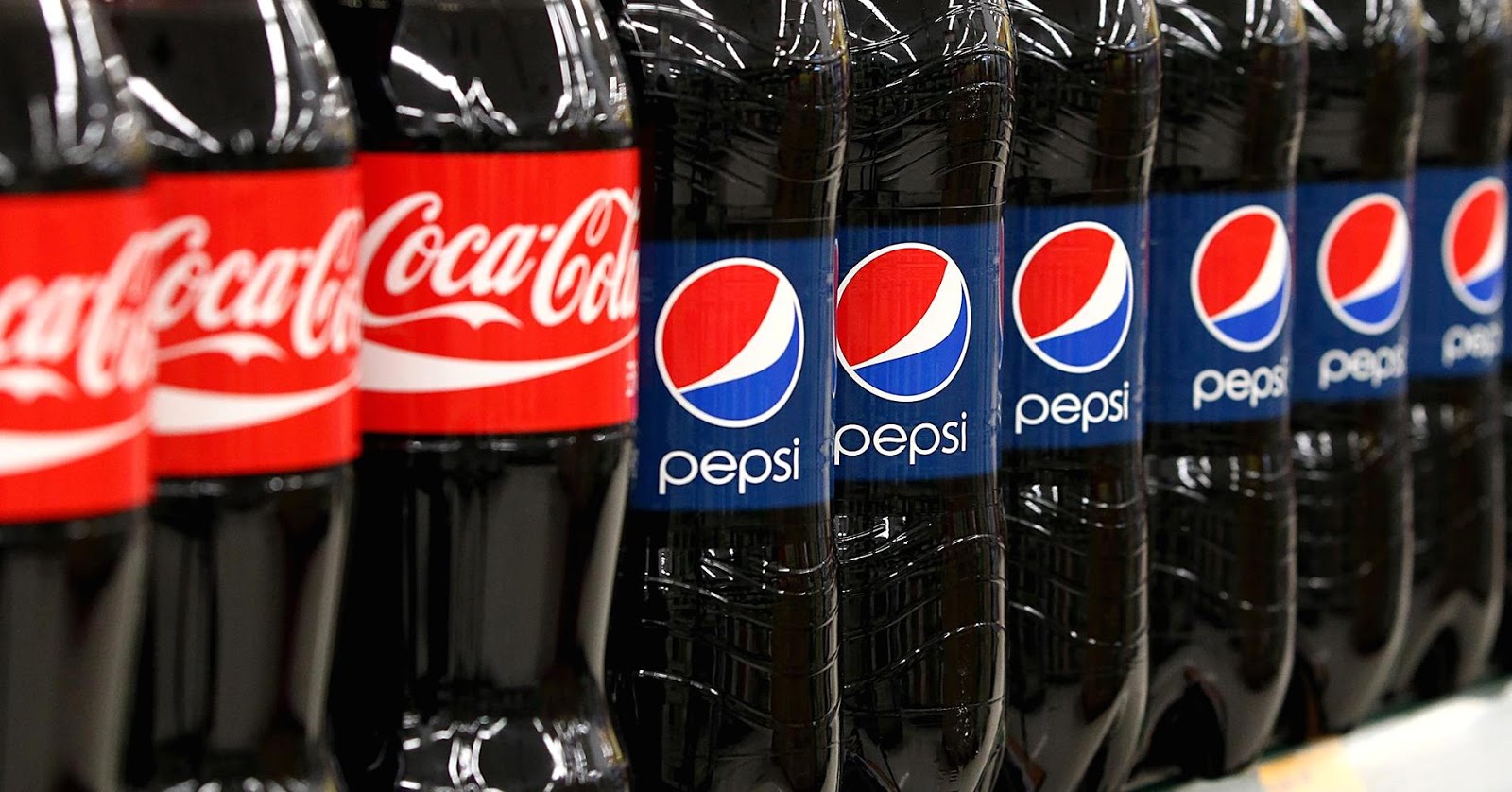
Also, there may be clauses that restrict you geographically, for instance: you may not talk to any other soda companies in Europe, however, North American companies would be fine.
Make sure when you are dealing with non-competition clauses that you are clear about the expectations and that they are reasonable. For example, if your talk is built on how to sell wearable technology, and the non-competition clause prohibits you from talking to other technology suppliers, it could seriously prevent you from finding more speaking opportunities in the future.
Here is a short list of the other parts of a contract, and what you should be aware of:
If it is your first time signing a speaking contract, you can always ask your mentor, or an experienced speaker, to take a look and make sure that all the elements are legitimate and standard.(You can find a speaker checklist to make sure you thought about everything.)
If something seems very strange, make sure you clarify before you sign!
Are there any other areas of speaker contracts still mystifying? We’d love to shed some light on them, just send us a quick email here.
Popular Categories